Materiality of Pixels
procesfolio
this page documents the process behind Juan Colombo's master project. it has been done during the academic year 2025-26 in the digital context of Sint-Lucas Antwerpen.
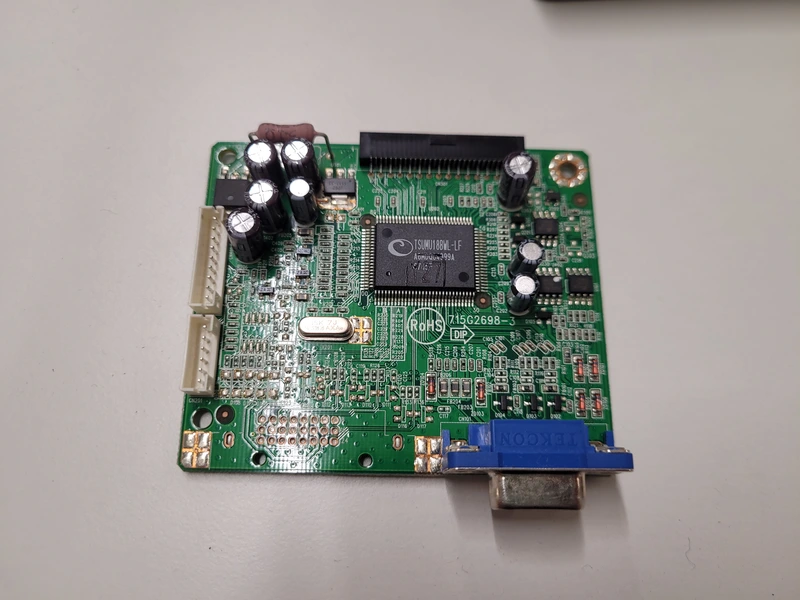
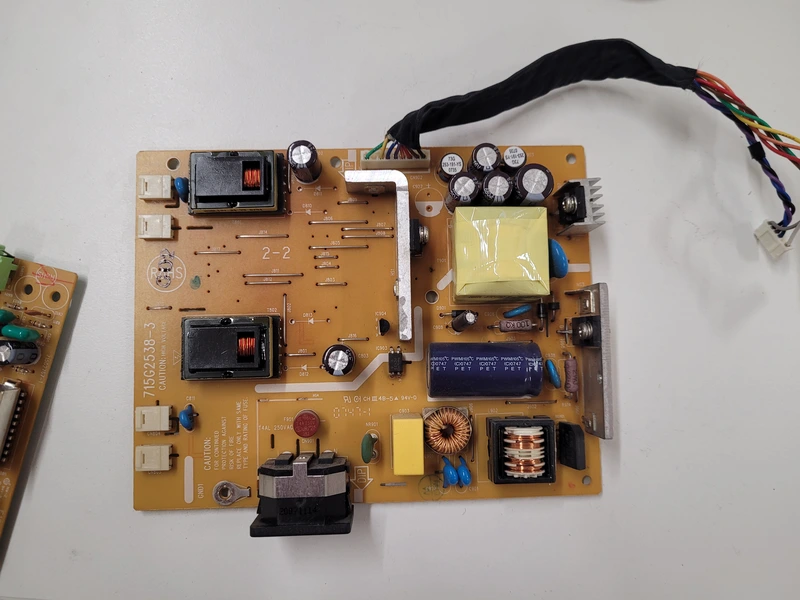
Materiality of pixels focuses on the dialectical relationship between the digital image and the hardware that displays it. Uncovering the inner complexity of the monitor breaks the clear boundary of the object, it expose the assemblage of interconnected systems that interact with each other.
The monitor-object is an illusion held together by a fragile ecosystem of matter, supply chains, manufacturing, protocols and standards. The monitor-object then comes together both by the physical and chemical properties of matter that is constructed with and by human engineering and designing, nudging matter to follow the strict protocols necessary to display an image for the human gaze.
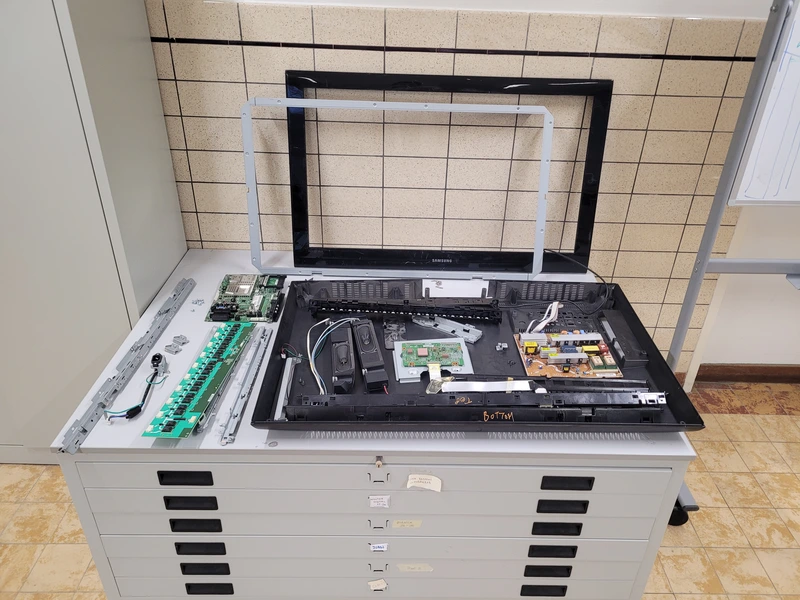
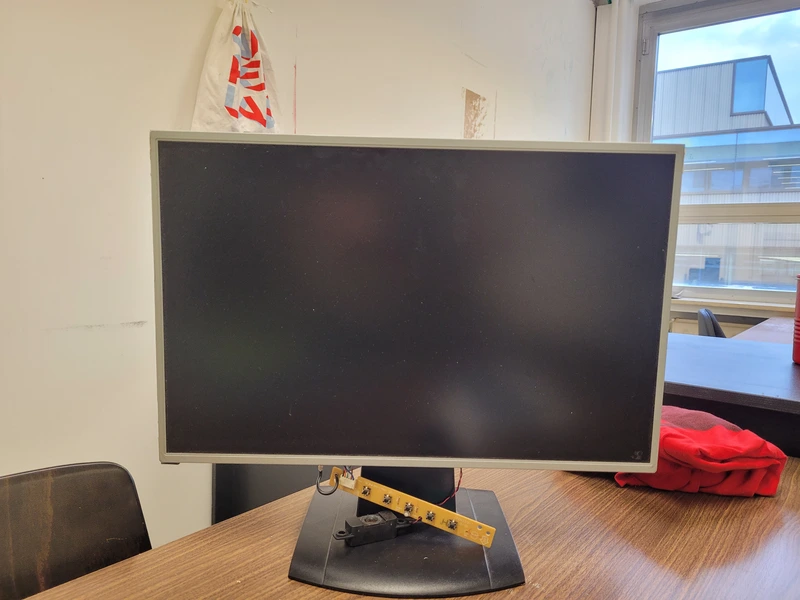
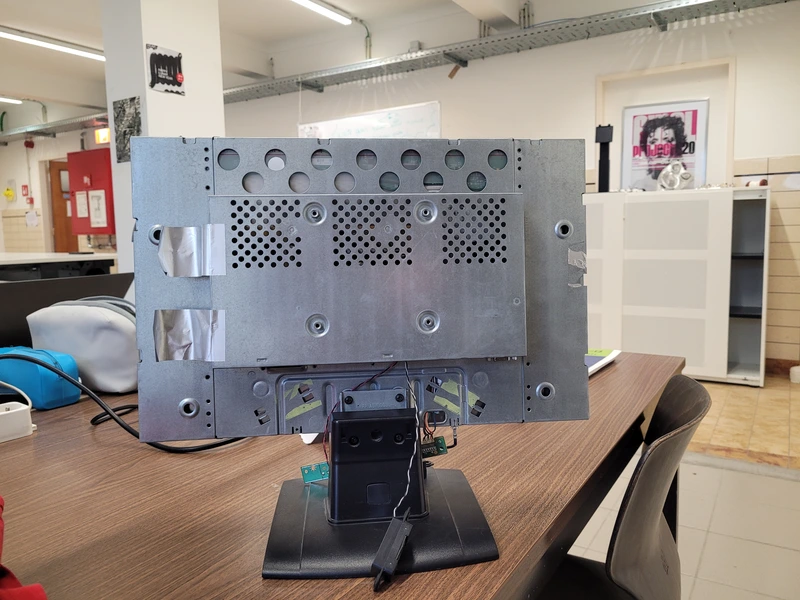
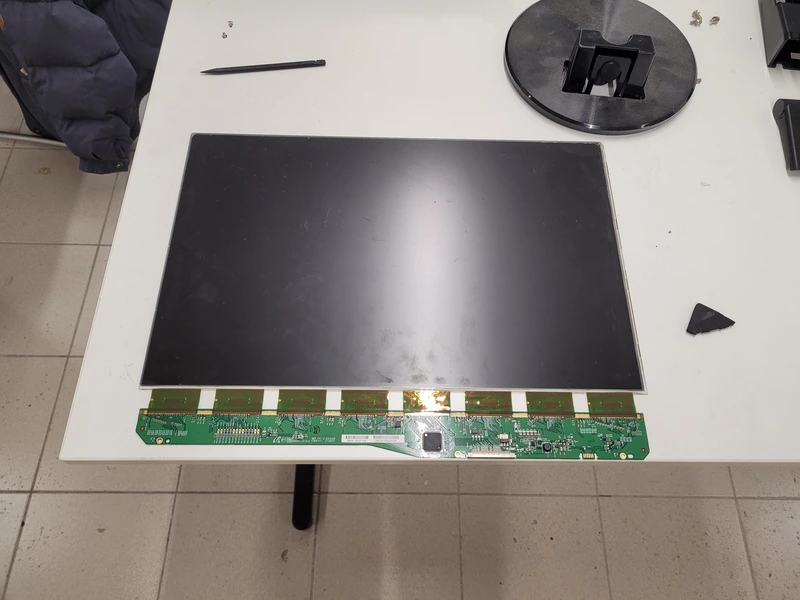
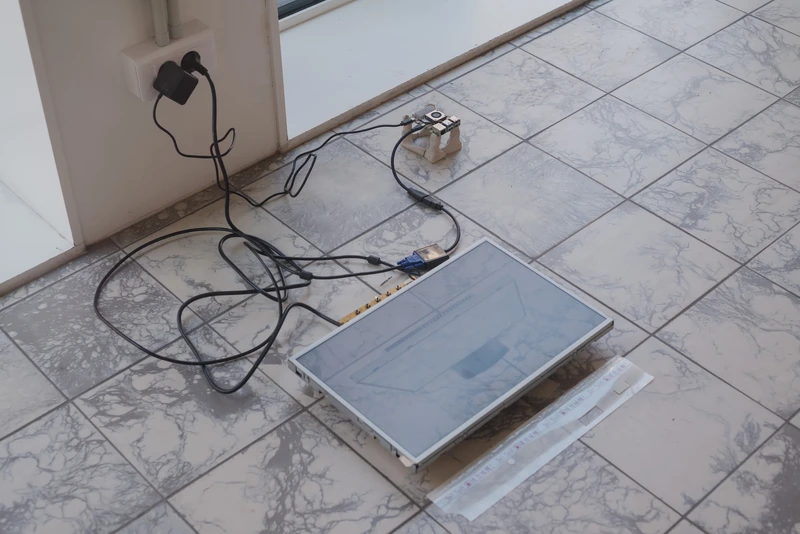
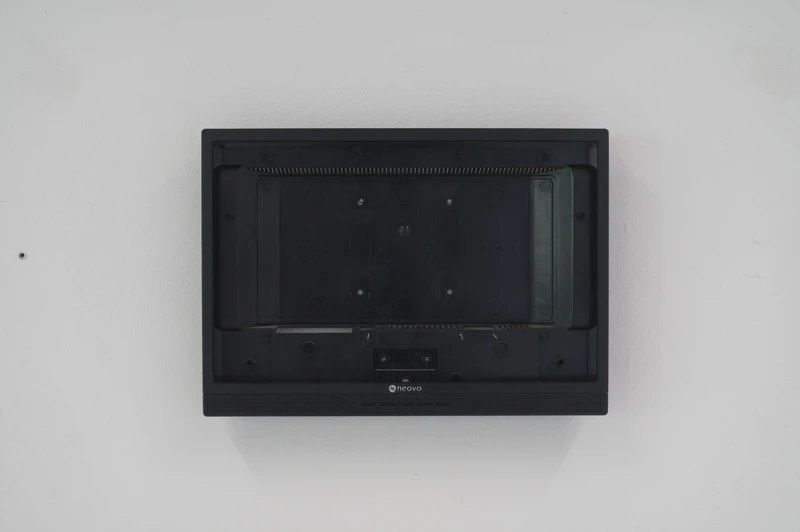
But monitors and displays are not neutral, they shape us as much as we shape them. Deconstructing the monitor, freeing it from its plastic enclosure, the technological-object it's challenged. The boundaries of the monitor are blurred, we cannot point to a finite object anymore, but only to a bunch of interconnected components, second guessing where the systems start or end.
premaster project
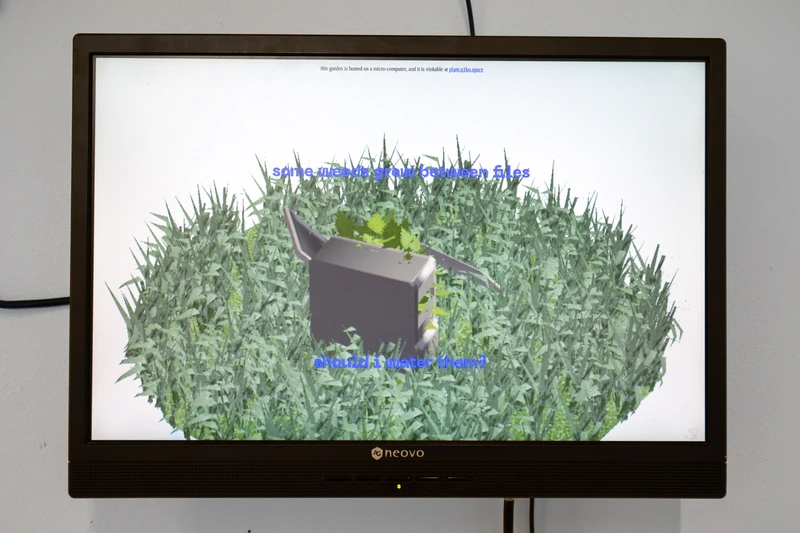
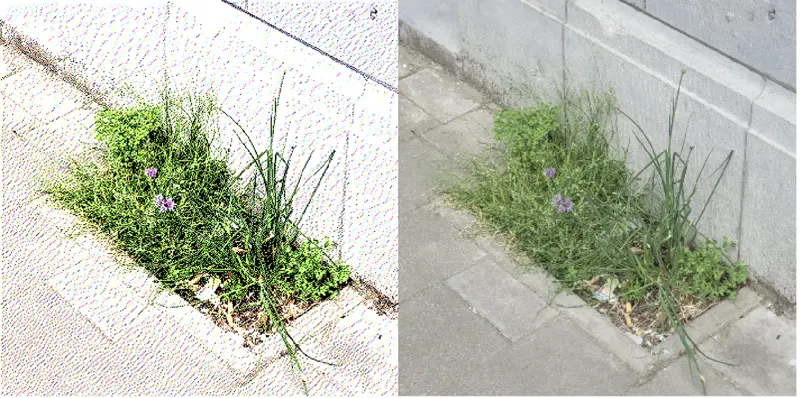
Some weeds grew between files, should I water them?
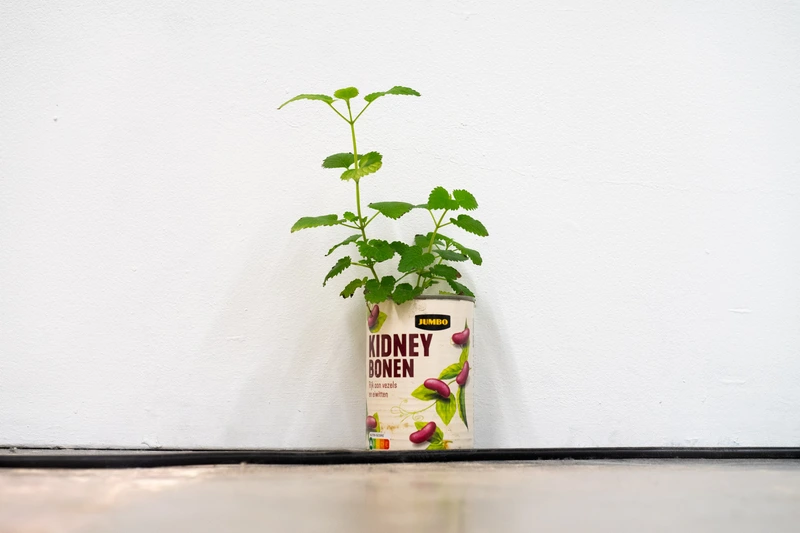
When we discuss the concept of weeds we cannot exclude the human presence. The boundary between human and weed is in constant flux and defined by the conflictual relationship we have with the natural world.
Imaging weeds in different context, through the speculation of fictional scenarios, help us explore our relationship with them and to question the anthropocentric view of the world. Which wants to separate human from nature, viewing them as separate and distinct entities.
Weeds for me have became a methodological framework to develop my practice. A starting point to reevaluate my position towards the natural and the artificial.
My premaster year has been an effort to reframe my understanding of weeds and nature, and using technological tools to present my reflections.
My biggest take away was to understand weeds as a space of political conflicts between human and non-human. Recognizing the agency of plants and their interconnections with the “human” world.
This year i would like to have the same approach on technology. I would like to understand technology as a transformative device with his own agency. And to better understand how technological and digital system interact with the human and non-human agency.
materials workshop
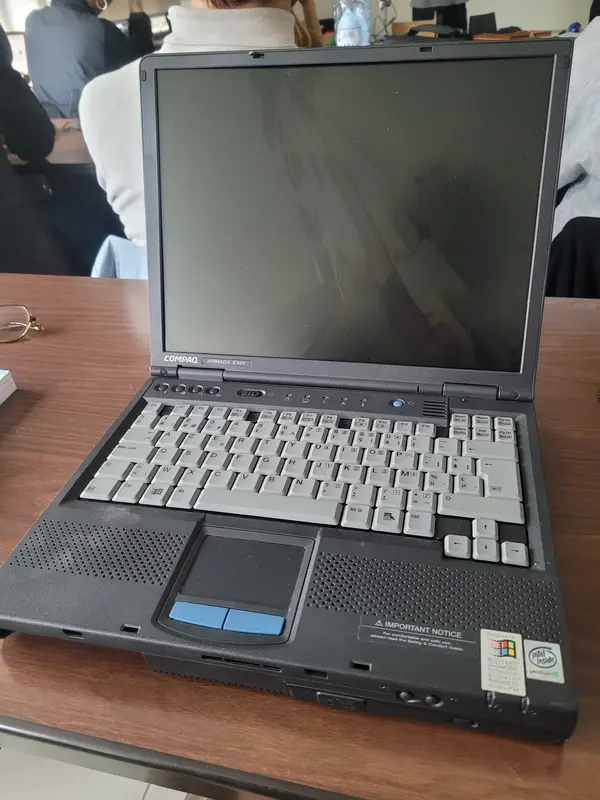
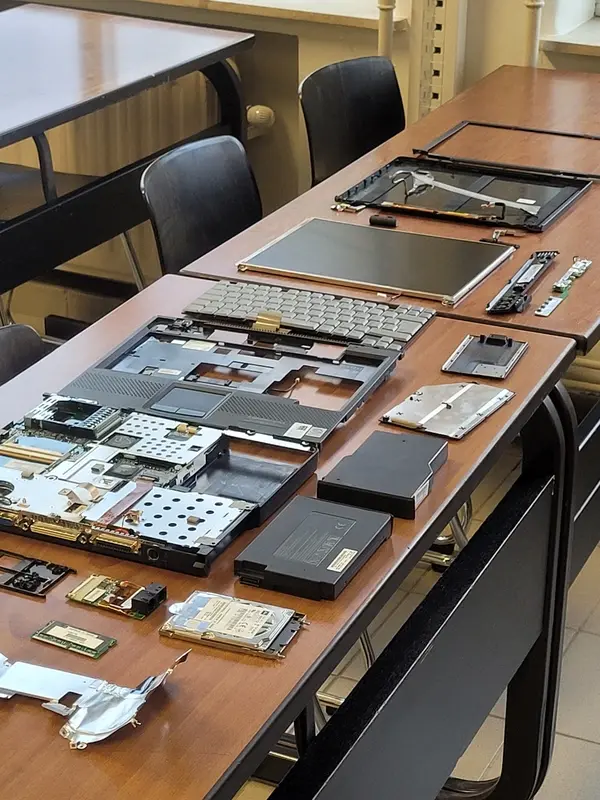
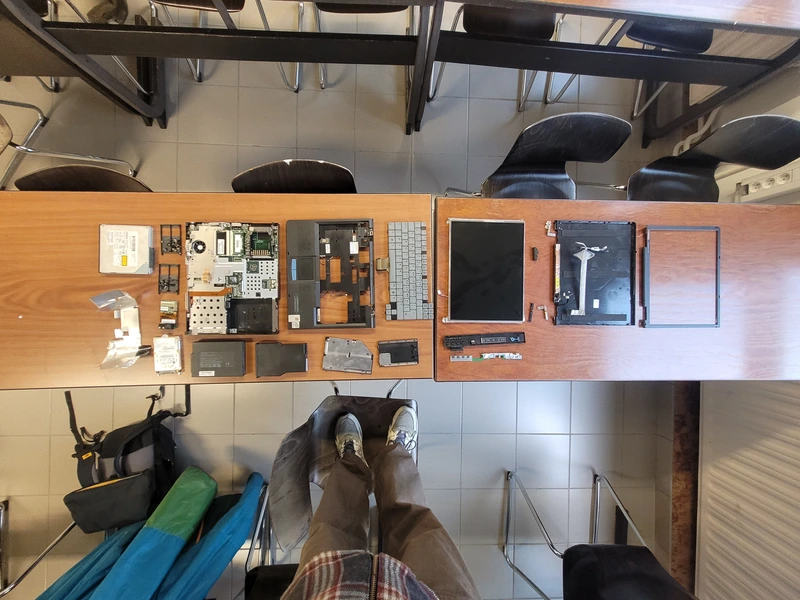
In october Imane and Frederik organized a workshop to reflect on the material origin of electronic devices. During the workshop I took apart an old laptop, exposing its gut on two tables.
This workshop introduced me to a different way of thinking about matter, extraction, and the processes necessary to produce electronic devices.
clay experiments
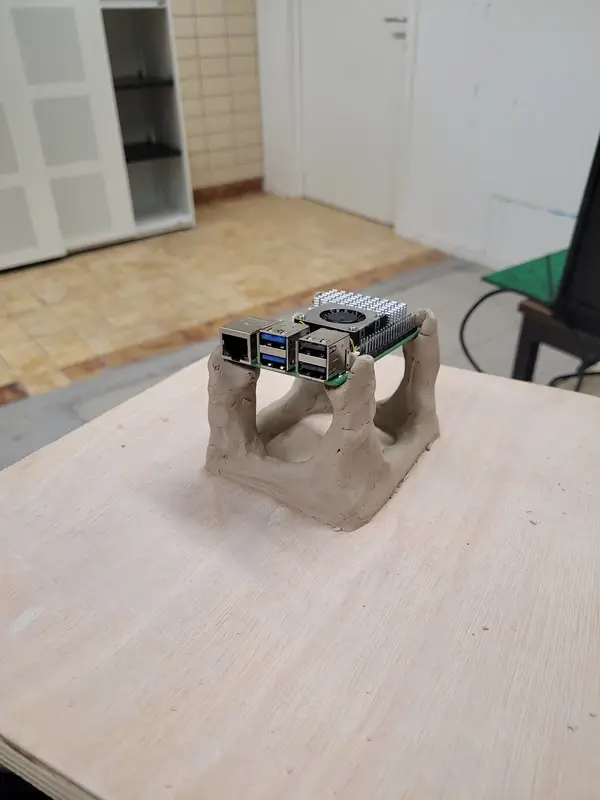
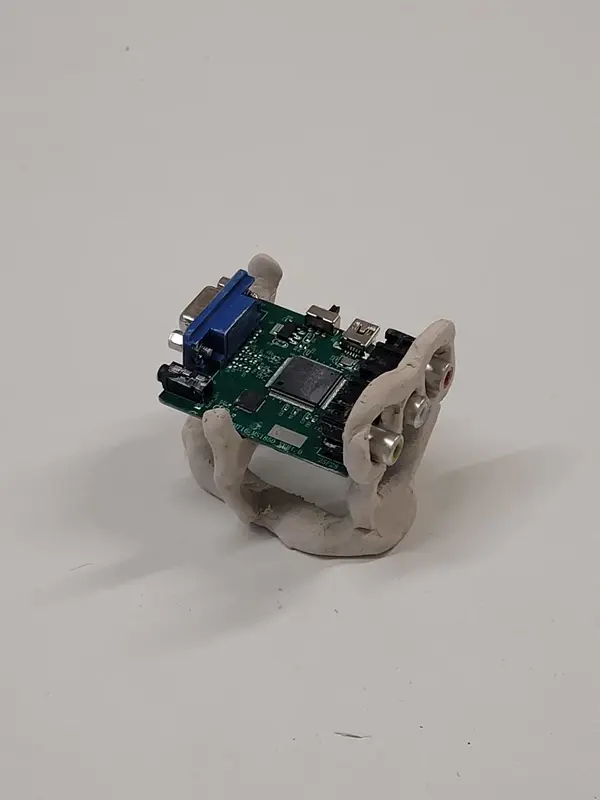
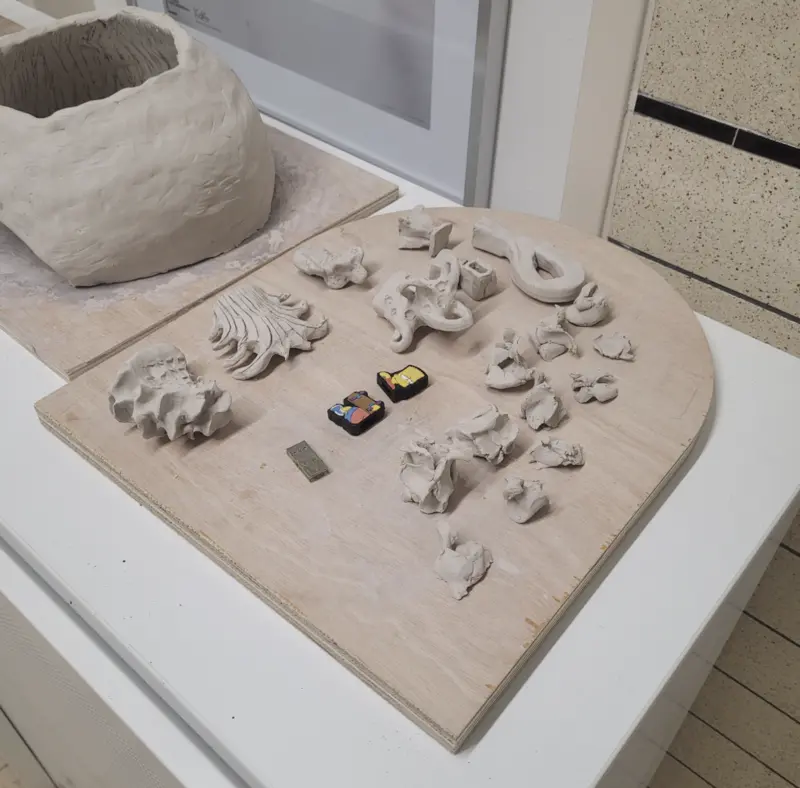
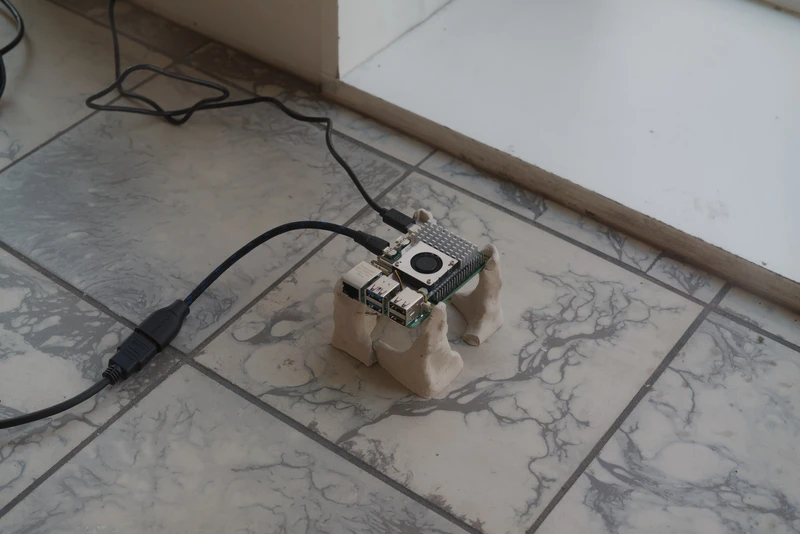
Electronic devices are usually presented to the consumer enclosed in plastic cases, mass produced with the same design. Leaving little space to adapt the final product in any way. I experimented with clay to create supports for electronic devices, starting with a raspberry pi.
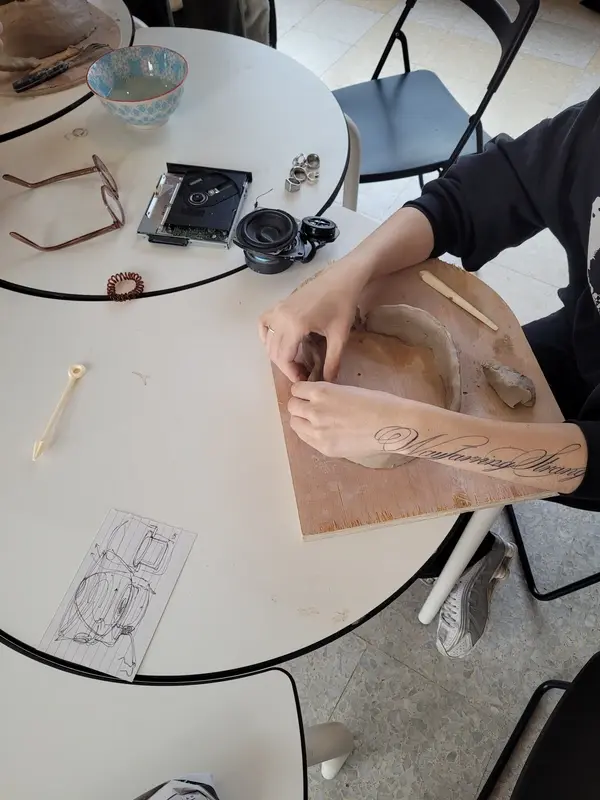
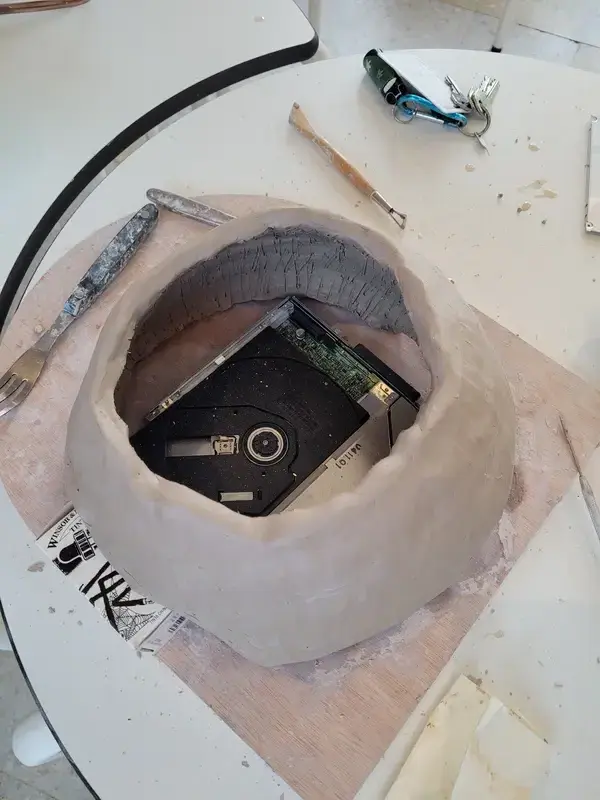
During the masterclass "How to grow 1mm" given by Saskia van der Gucht I had the opportunity to organize a small workshop, where I ask my peers to reimagine the interface with electronic devices with clay. There is something interesting in using clay to reimagine tech, where the shape is inform by body movement.
With computer the clicking and the typing is not directly linked with the end result, between the body and the material (the bytes changing in the memory) there are softwares, that interpret inputs and act differently to each other.
from earth → mining → manufacturing → consumer → clay
what is a monitor
Around the end of the first semester I decided to focus my research on one tech-object: the screen. Working primarily with a computer, the display is the most important interface to my practice. Focusing only on the monitor allows me to dive into its specificity.
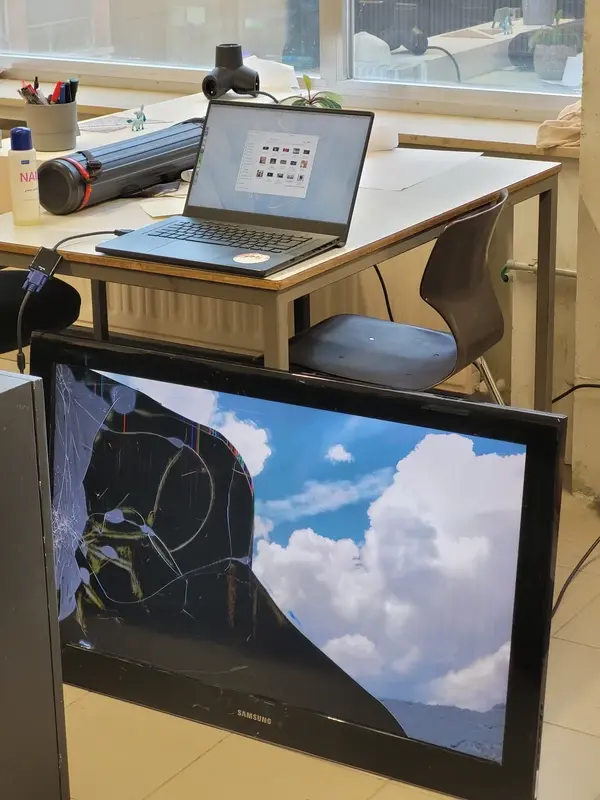
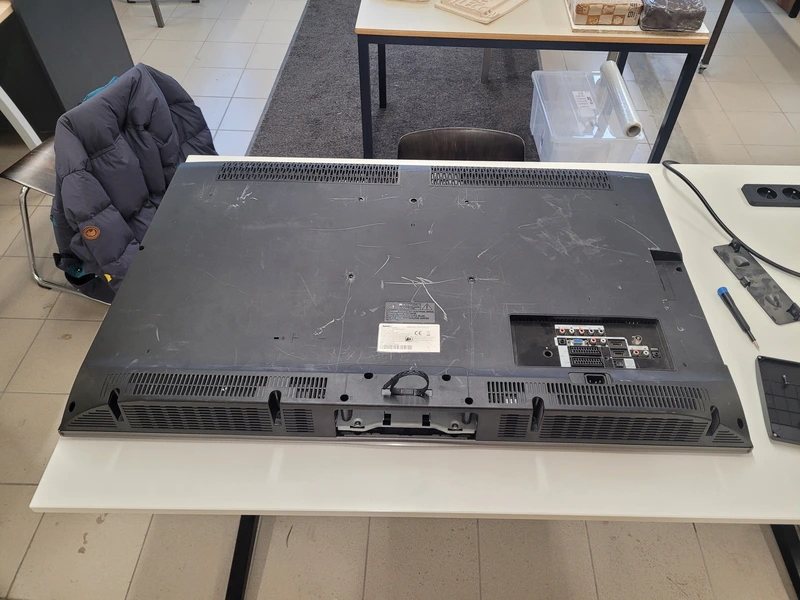
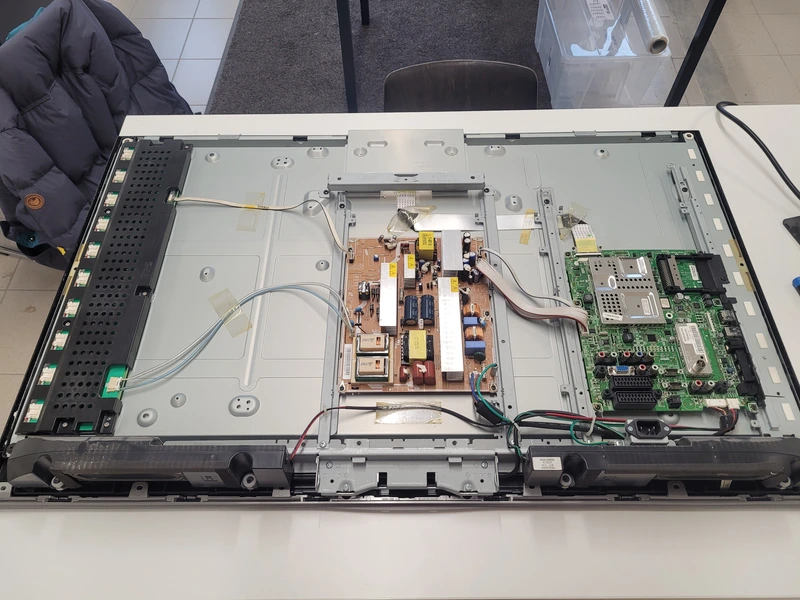
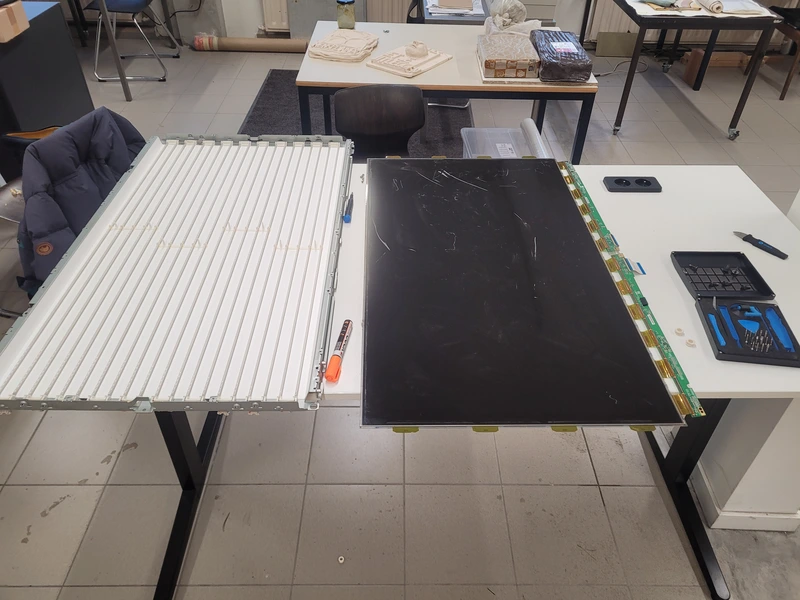
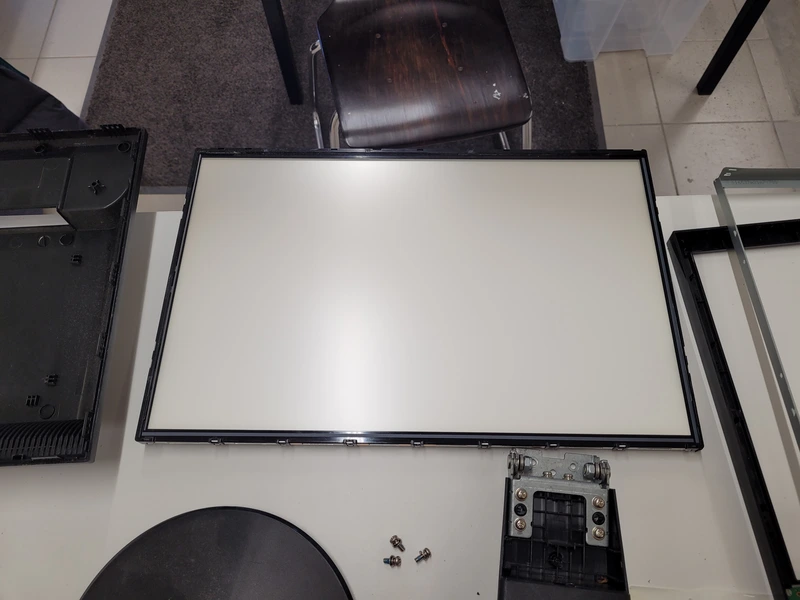
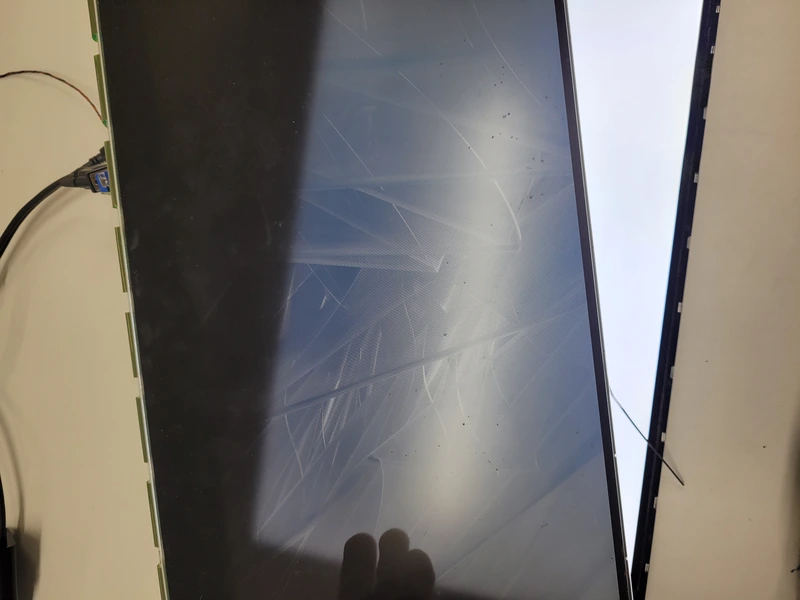
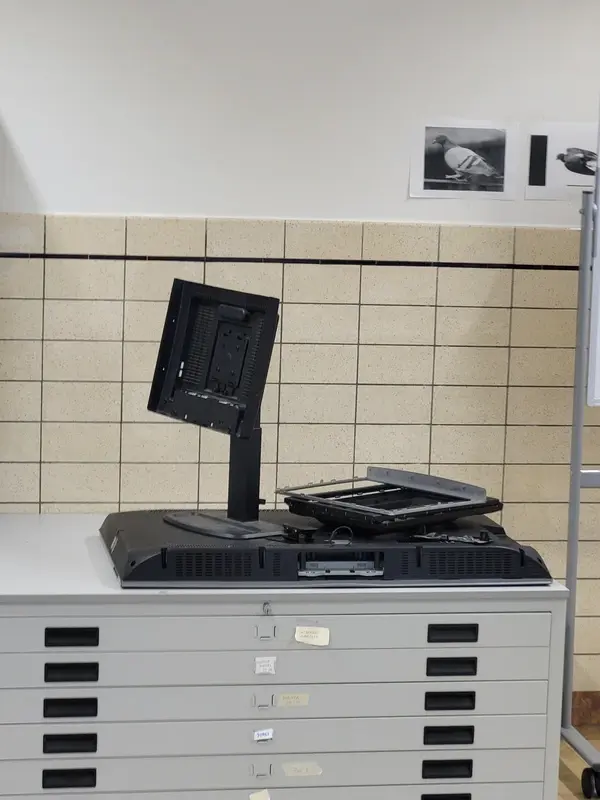
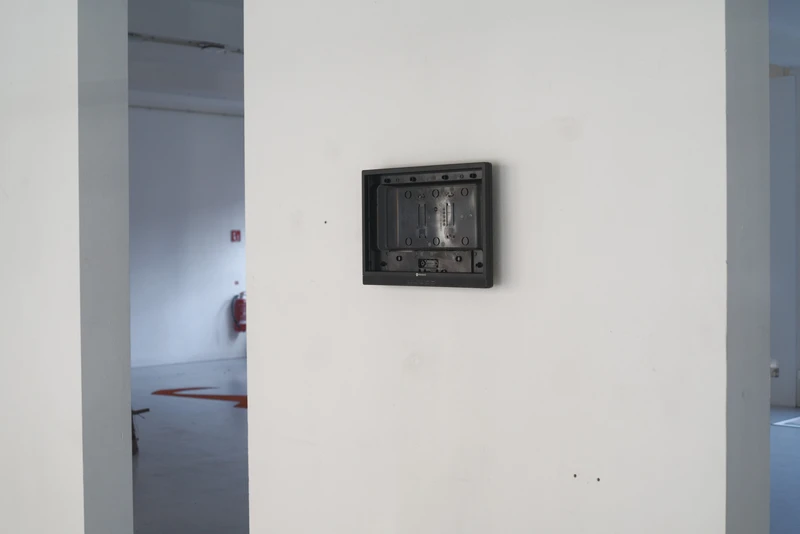
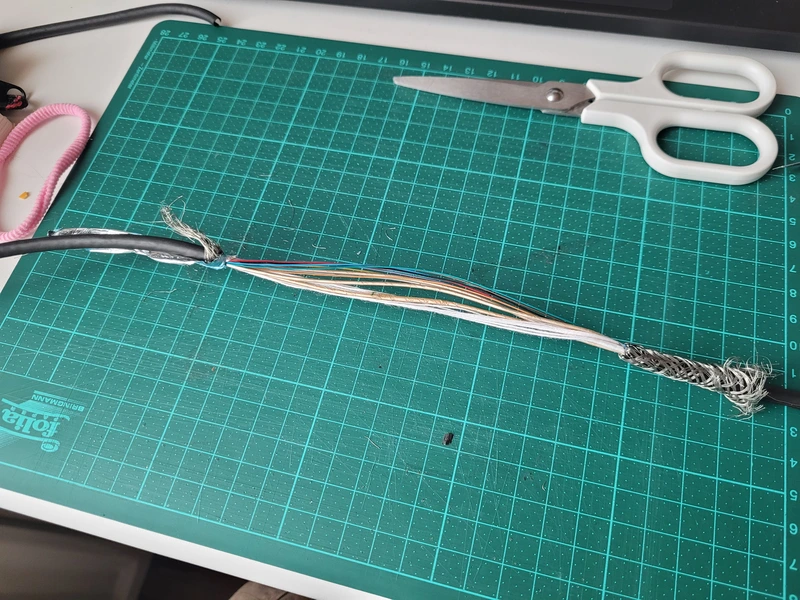
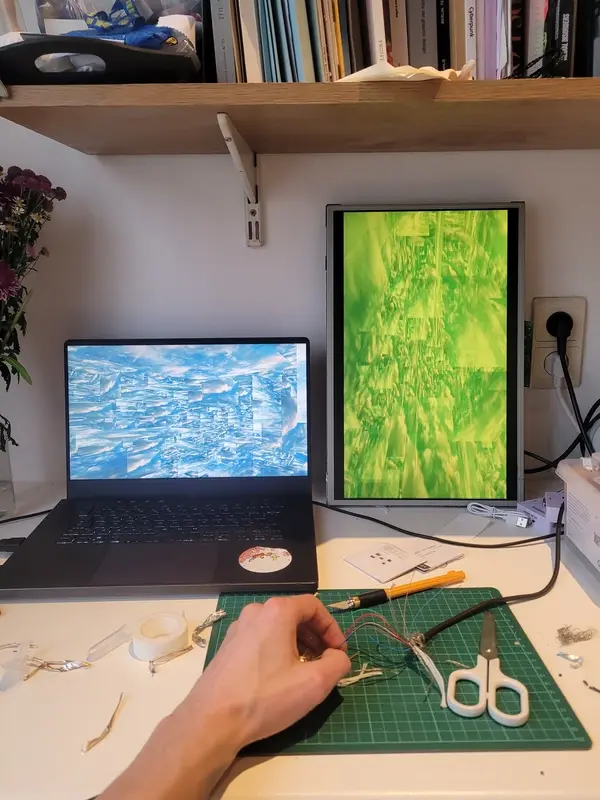
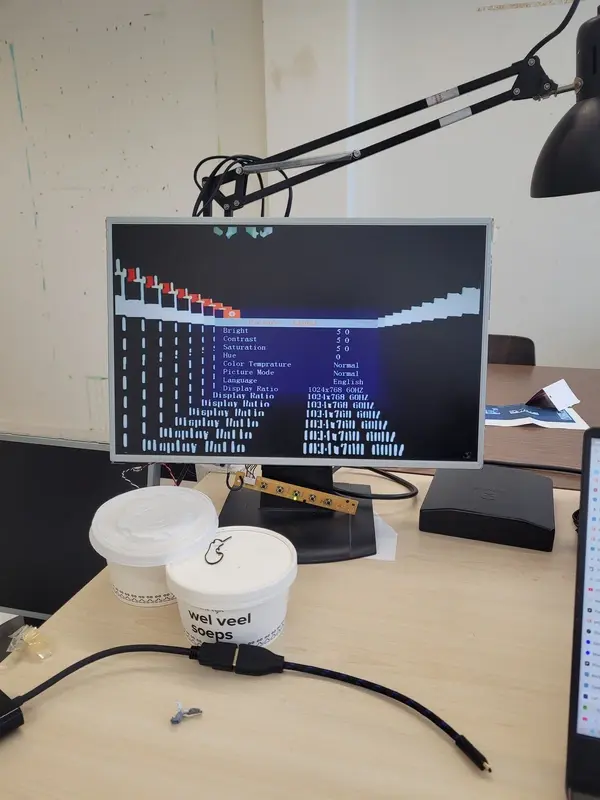
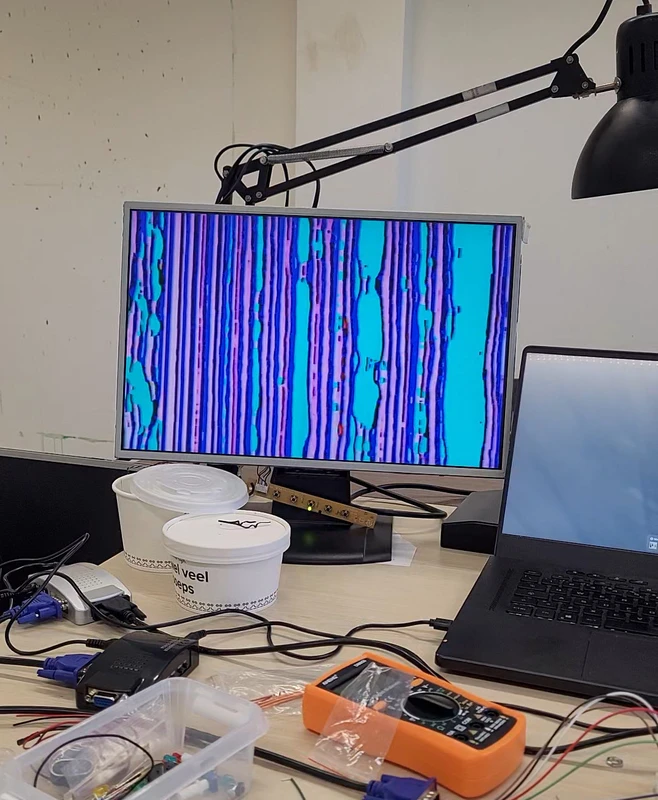
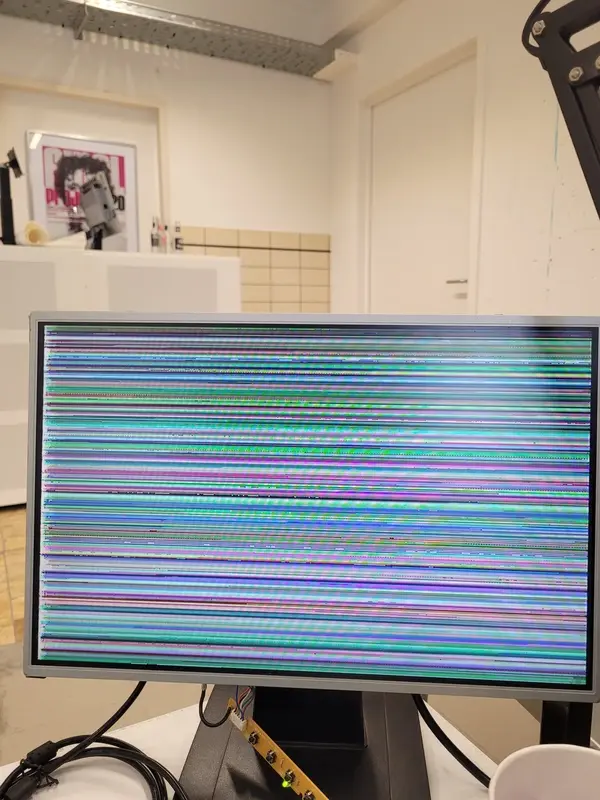
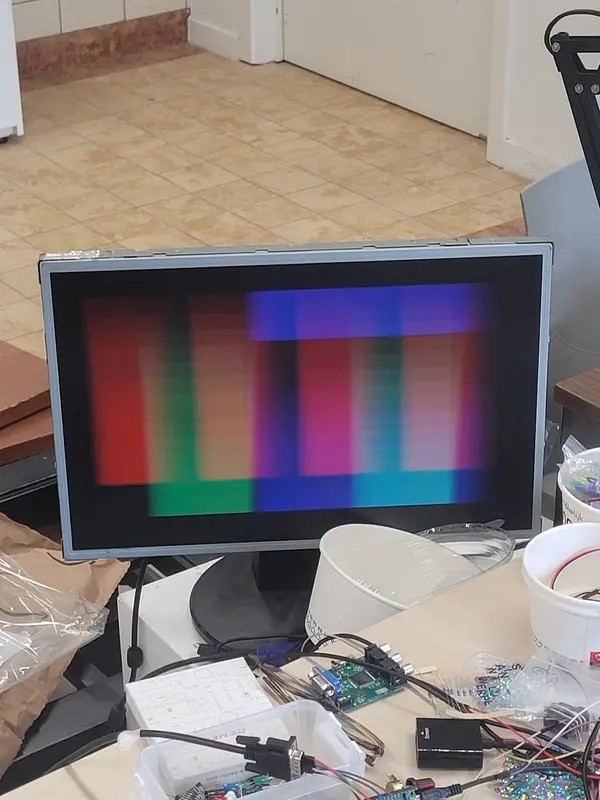
I manage to gather a few "obsolete" lcd monitors. I started to deconstructed them, exposing their guts, and see how they worked. To disassemble the monitor is to break the illusion that the technological artifact is a finite object with clear boundaries.
as concrete as flesh - group show
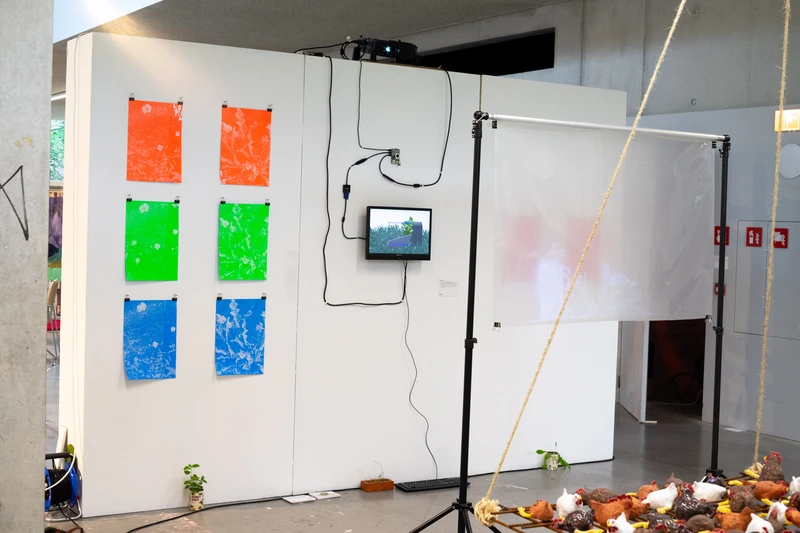
In february I got invited to participate in a group show organized by some students here in Sint-Lucas. We decided to call the show "As concrete as Flesh" inspired by a passage of Gloria Anzaldúa in Borderlands/La Frontera (1987).
It was a nice occasion to think how to exhibit my current research. I want to thank Therese Anna Rafter for inviting me and putting so much care and effort into making the show possible.
screen screen printing
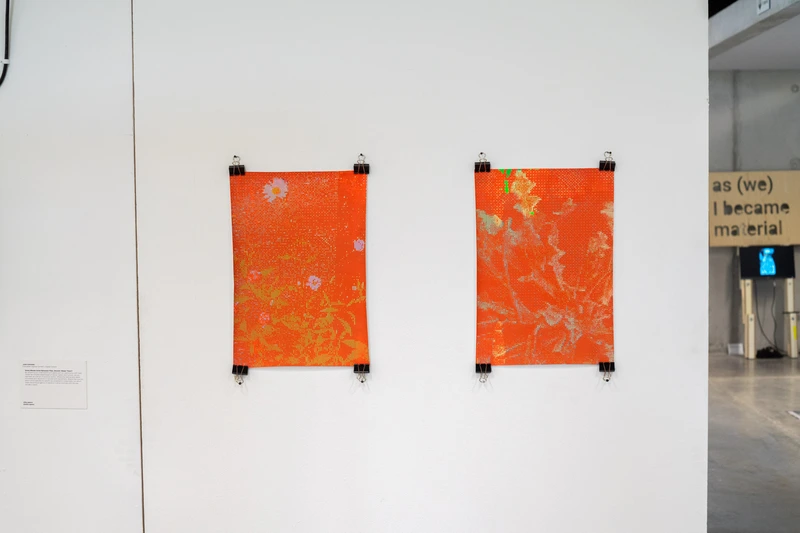
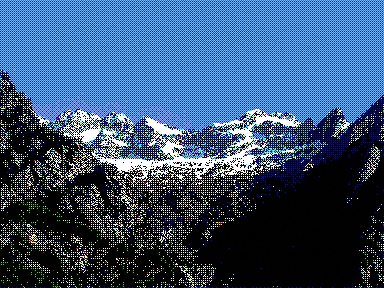
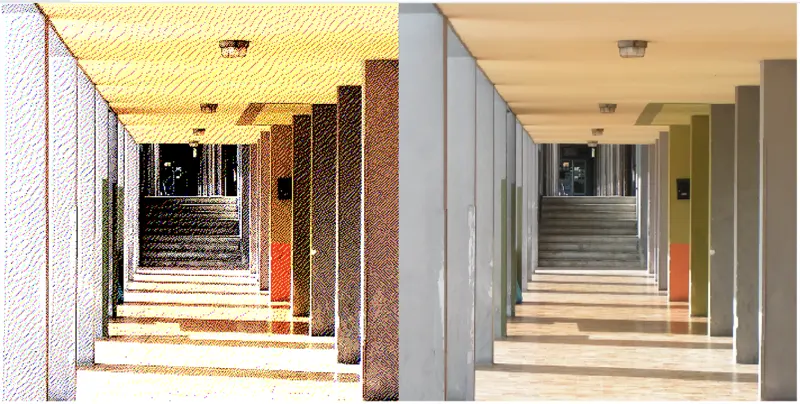
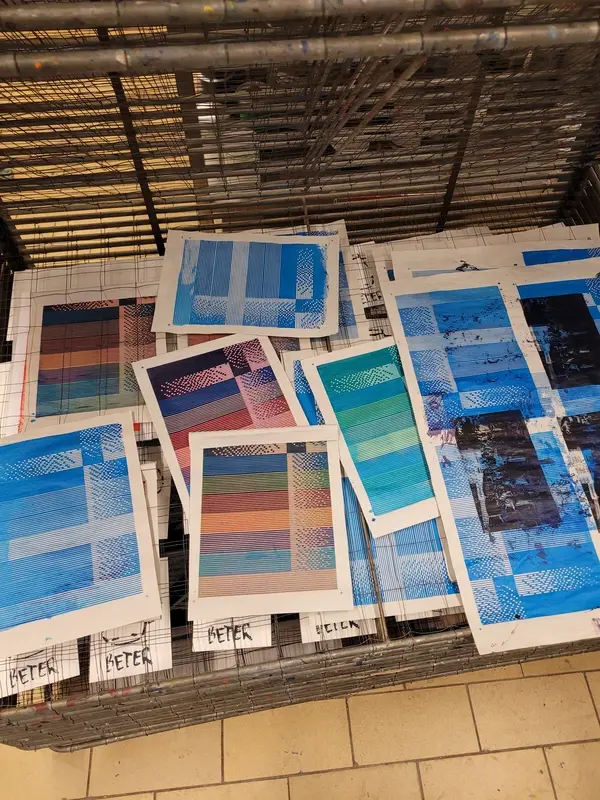
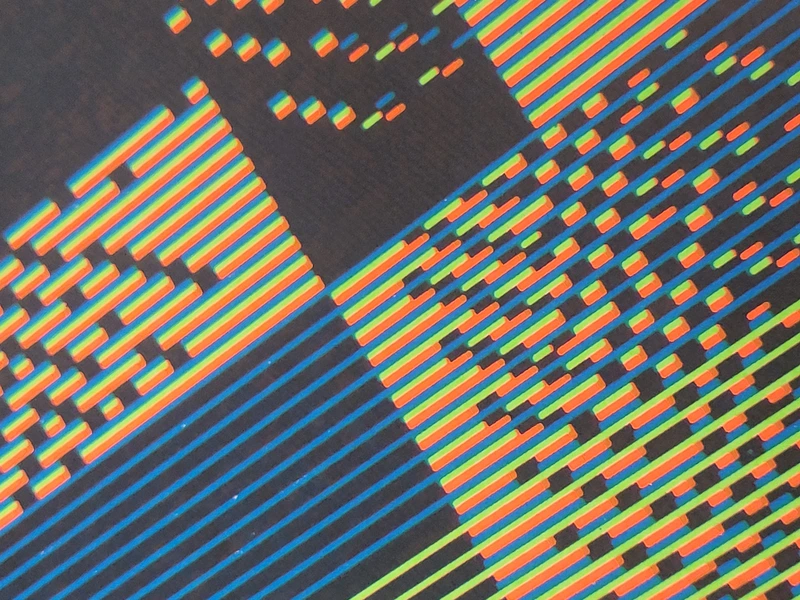
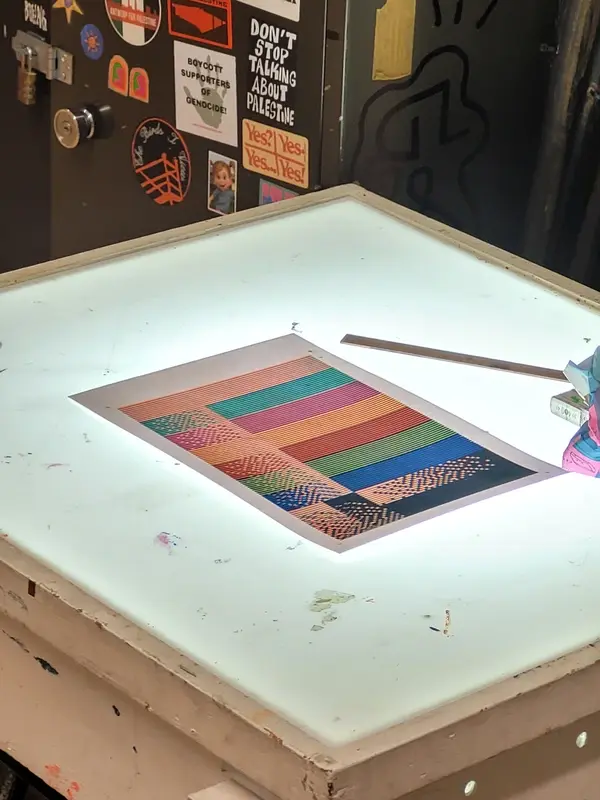
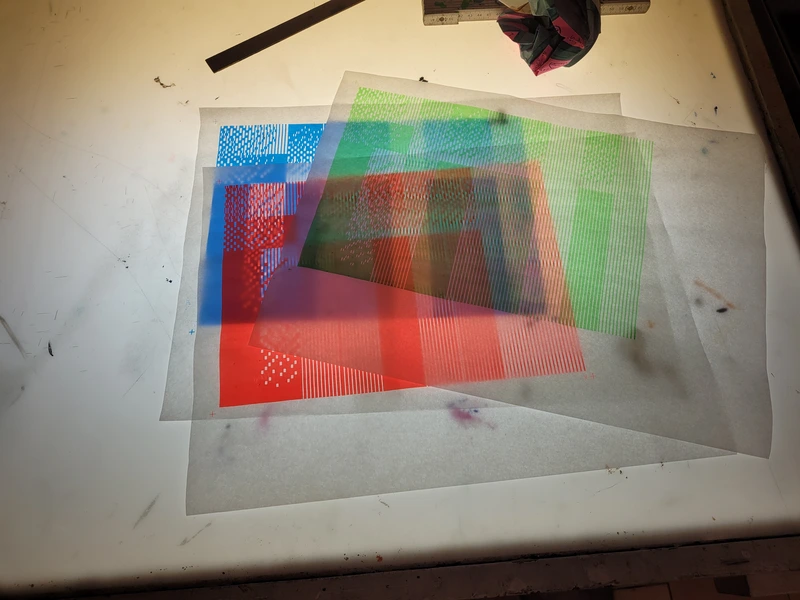
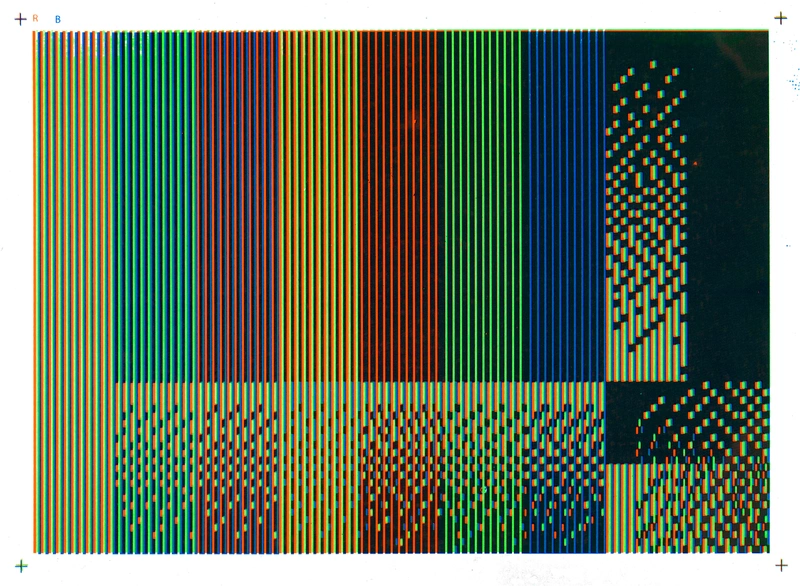
Last year I took a class in screen printing, and I learned that the screen works in a binary state, it's either open or closed. To do any kind of gradients you need to dither the image you want to print.
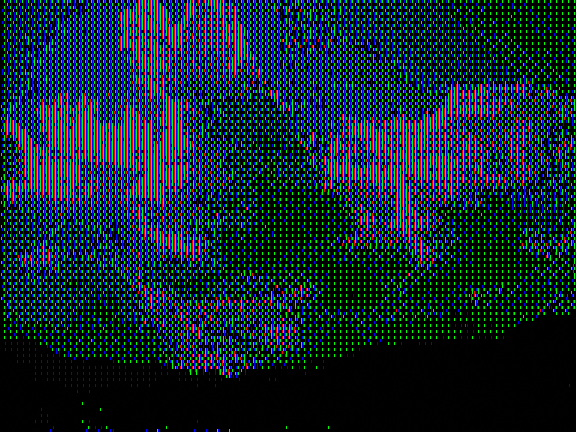
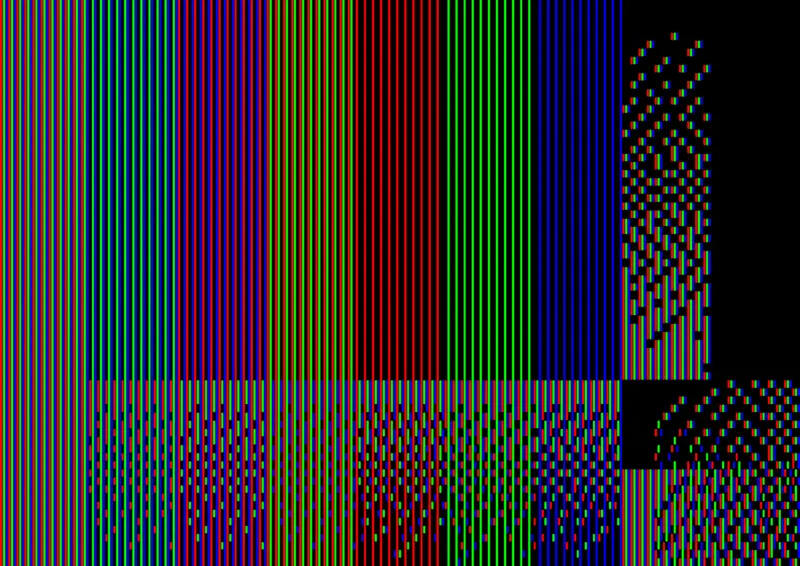
I started to experiment with a shader in blender to separate an image into the red green and blue subpixel grid found in displays and to generate the necessary plates to be able to screen print the image. I experimented also with different dithering techniques, coding them in p5.js.
I screen printed a testcard with the eitgh different color I could reproduce, but to be able to align the three color plates I worked with an image resolution of 99x70 pixel.
With this project I tried to bring the properties of a digital image to screen printing, exploring what happens to the digital image when it's extracted from its technological context.
messing with the vga signal
The Video Graphics Array (VGA) standard, in contrast to other popular protocols like HDMI and display port, uses analog signals for the color information, which makes it more easy to hack and mess with the signal.

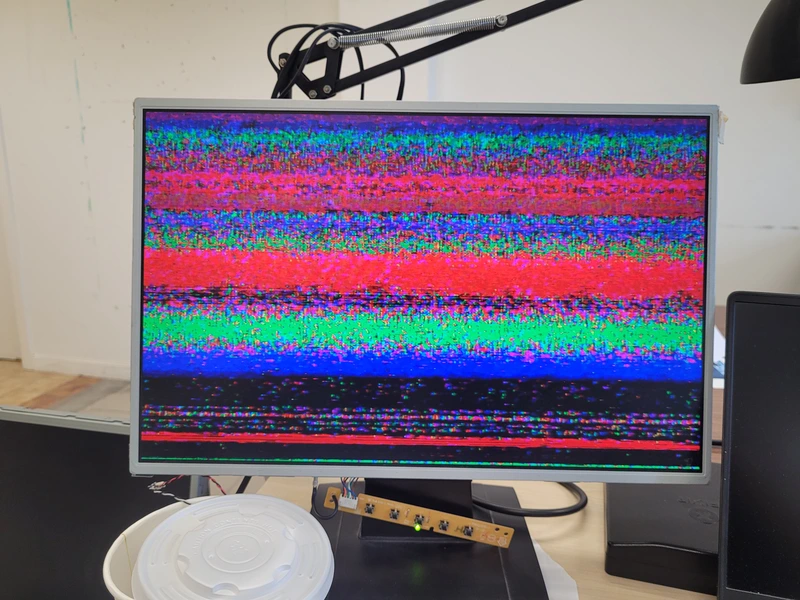

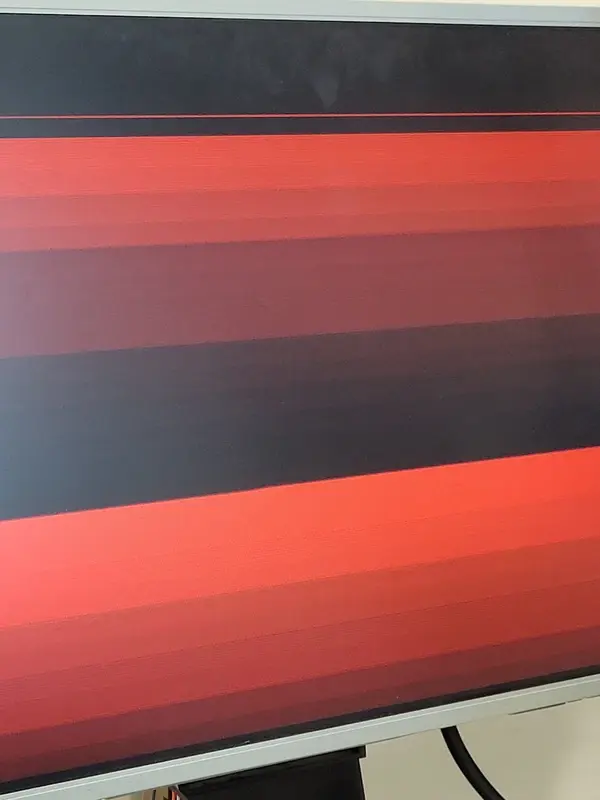
For example, attaching a potentiometer to one of the color signals allows you to control the intensity of that channel. Another perk of the vga video signal is that is easily convertible to composite (which is also analogue), and with a couple of converter it's easy to create feedback loops and glitches.
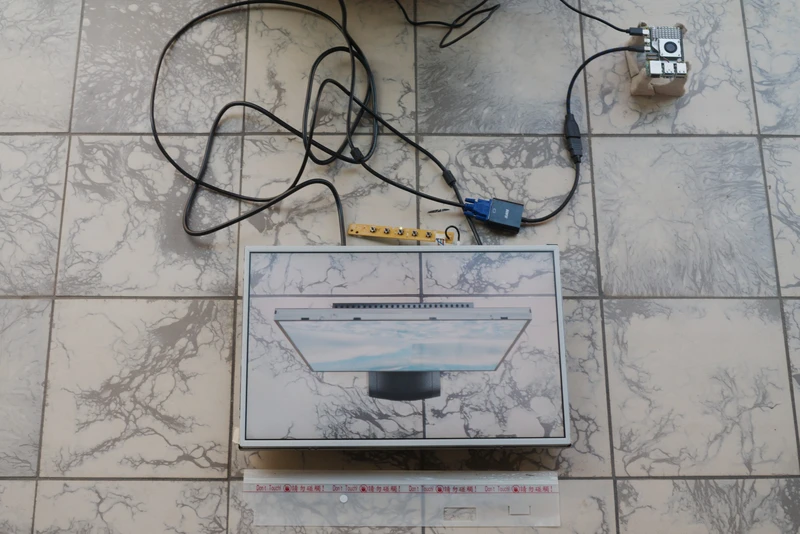
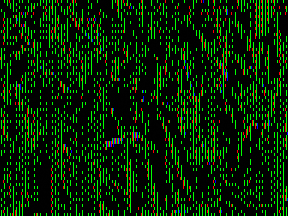
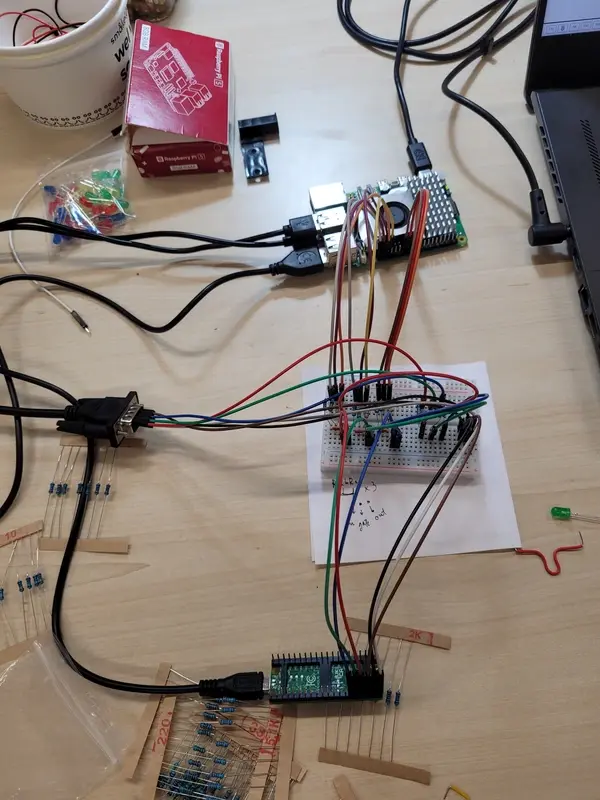
Following the project of Hunter Adams I emulated the vga protocol with a raspberry pi pico, a microcontroller that is capable to run at the necessary frequency for this use case. Using the pico allowed me to experiment with injecting voltages into the color channels. Signals not meant to produced a video but still within the spec that the vga standard requires.
video disassembly monitor
references
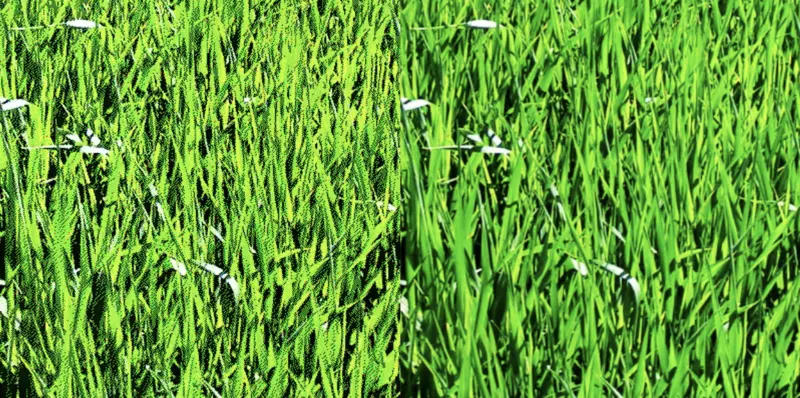
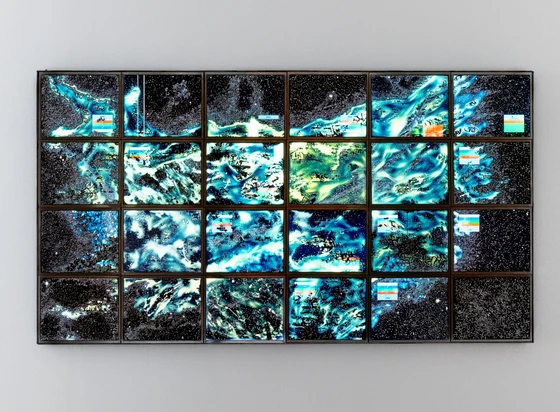
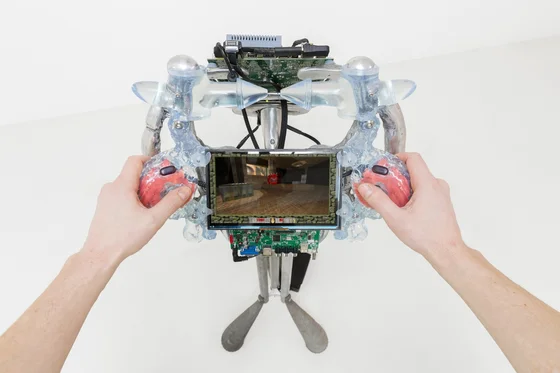
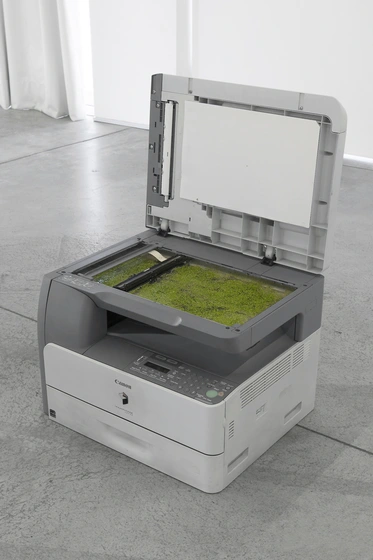
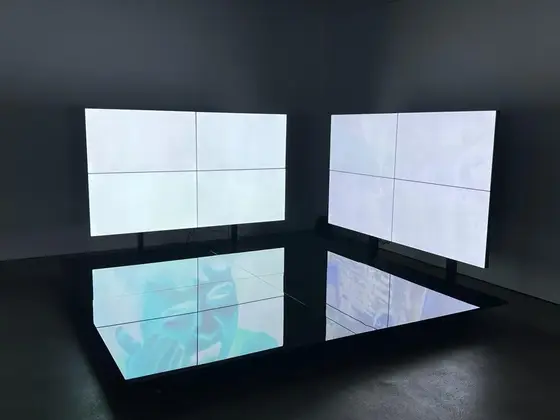
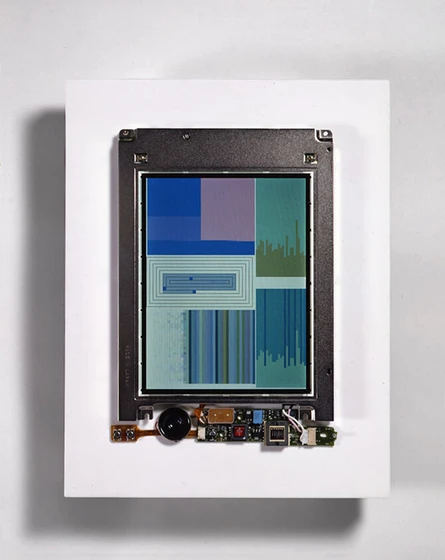
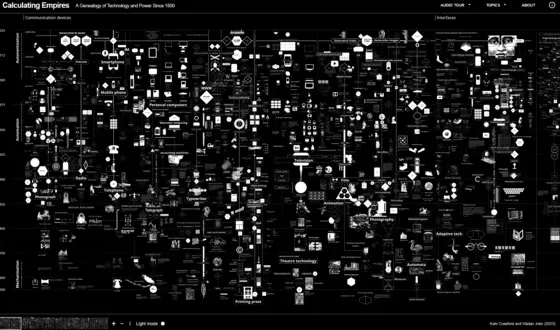
These are the projects that most inspired me. I've also had the opportunity to attend Nicolás Lamas and Janne Schimmel's artist talks, where I was able to learn more about their practices and processes.

ole-clusterduck-ebV9WtBP.webp)